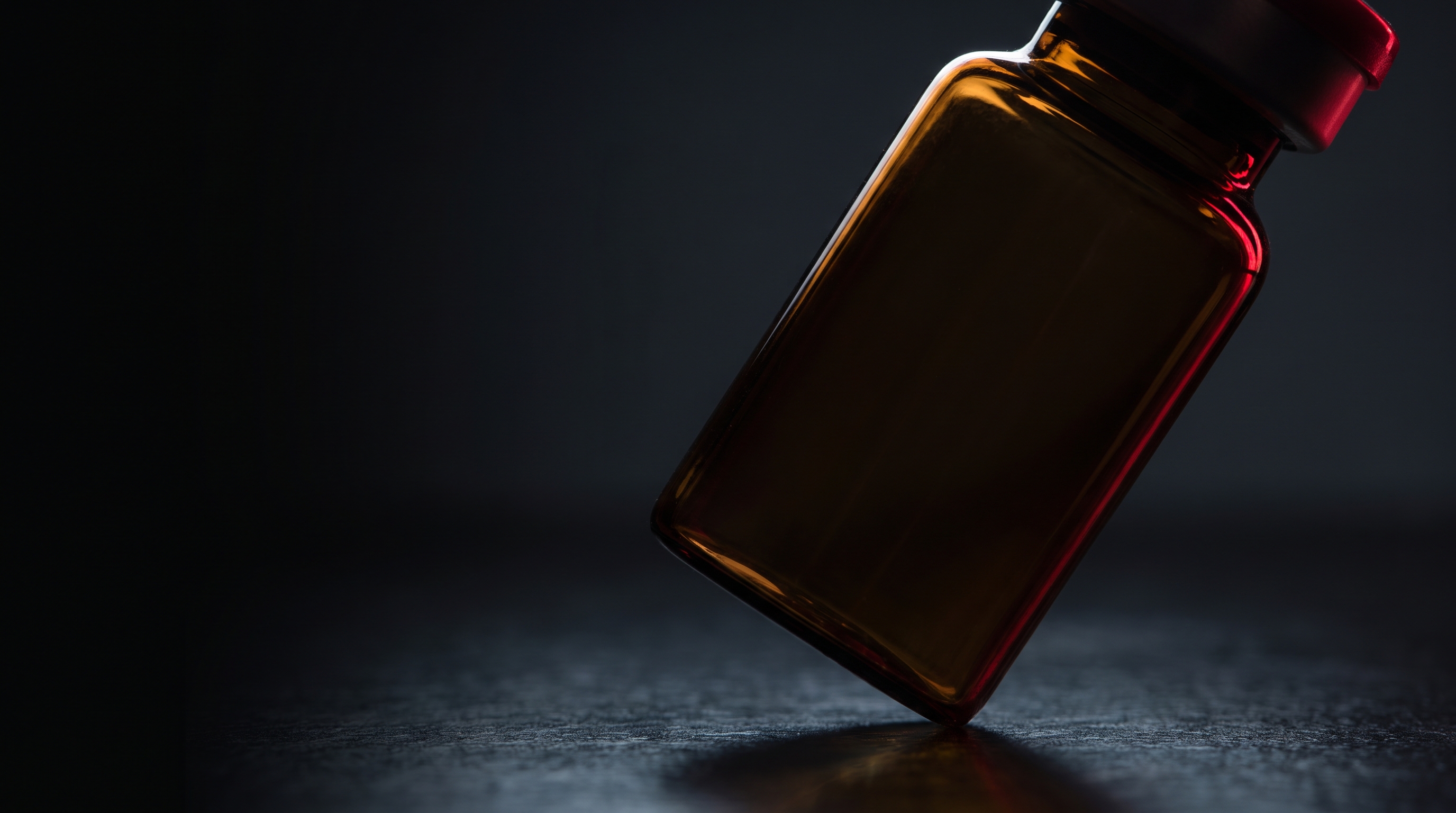
BPC-157 Injection Protocol: Dosing, Frequency, and What the 2026 Evidence Shows
Researchers working with BPC-157 typically use 250–500 mcg per day, administered subcutaneously, for cycles of four to eight weeks. The evidence base supporting that range is almost entirely preclinical — robust in rodent models, thin in humans — so every number here should be read as an investigational starting point, not a validated clinical dose.
Starting from
$85.95
N/A consultation

4.2 AHF · 4.2 Trustpilot
Best-in-class third-party testing for research compounds at competitive pricing — the legitimacy floor in a market full of untested suppliers.
Get Started FreeWhat the Research Actually Supports
Animal data on BPC-157 is legitimately impressive. Over 100 rodent studies show accelerated healing in tendon, ligament, muscle, and GI tissue, driven by VEGFR2/eNOS angiogenesis, fibroblast upregulation, and nitric oxide modulation.[1] A 2025 narrative review in Sports Medicine (PMC12446177) summarizes these pathways clearly and notes that therapeutic doses in rats typically fall in the 10–100 mcg/kg range — which scales to roughly 700–7,000 mcg for a 70 kg adult.[1][2]
Human data is sparse by any honest measure. Three small pilot studies exist, enrolling fewer than 30 subjects total.[1] The most cited: a 16-patient intra-articular knee injection series where 87.5% of patients reported significant pain reduction after a single 4 mg injection, sustained at 6–12 months.[1] A 12-patient interstitial cystitis series reported near-complete symptom resolution in most participants. An IV safety assessment in two adults at doses up to 20 mg found no adverse lab changes. None of these studies are randomized or placebo-controlled. Compare that standard of evidence to, say, the STEP-1 trial published in NEJM — 1,961 participants, double-blind, with Wegovy producing 14.9% mean weight loss — and you understand the evidentiary gap BPC-157 still needs to cross.[2]
For researchers interested in how BPC-157 fits alongside other recovery-focused peptides, the comparative breakdown at BPC-157 vs TB-500: Which Peptide Is Better for Recovery? is worth reading before designing a protocol.
Injection Protocol: Dosing and Frequency
The most commonly described research protocol uses 200–500 mcg/day, subcutaneous, with injections placed near the injury site for localized musculoskeletal targets or in the abdomen for systemic or GI applications.[6][7] Standard reconstitution: 5 mg vial + 2.5 mL bacteriostatic water = 2,000 mcg/mL; a 250 mcg dose is 0.125 mL on an insulin syringe.
| Parameter | Typical Range |
|---|---|
| Daily dose | 200–500 mcg |
| Frequency | Once daily or split BID |
| Cycle length | 4–8 weeks on, 4–8 weeks off |
| Injection site | Peri-lesional SC or abdominal SC |
| Reconstitution | 5 mg + 2.5 mL bacteriostatic water |
Oral dosing (500–1,000 mcg daily) is used for GI applications, capitalizing on BPC-157's unusual stability in gastric juice — documented in rodent models, not formally confirmed in humans.[2] Researchers building stacked protocols alongside BPC-157 can find a structured 2026 example at BPC-157, TB-500, and GHK-Cu: One Researcher's 2026 Protocol Stack.
For sourcing research-grade material, Marek Health maintains third-party COA documentation and is among the more vetted options in the current supplier landscape. The broader peptide therapy resource hub covers vendor comparisons and purity standards in more detail.
Safety Profile and Legal Context
Short-term safety signals are favorable: no serious adverse events in any published human series, no LD50 established in rodents even at 20 mg/kg IM.[1][2] Anecdotal reports include transient injection-site redness, mild nausea with oral dosing, and occasional brief dizziness — none requiring intervention.[9]
Theoretical concerns center on BPC-157's angiogenic activity. The same VEGFR2 upregulation that accelerates tendon healing could theoretically support tumor vascularization. No animal studies have demonstrated carcinogenicity, but the precaution holds: active cancer is a practical contraindication.[5] Pregnancy is similarly excluded by absence of safety data.
On regulatory status: BPC-157 is not FDA-approved for any indication, and in 2023 the FDA classified it as a Category 2 bulk substance ineligible for compounding under 503A/503B pharmacies.[10] It remains legal to purchase as a research compound for laboratory use. That status is currently under ongoing FDA advisory committee review — researchers should monitor developments through 2026.
Related reading
Frequently Asked Questions
What is the standard BPC-157 injection dose for research protocols?
The most widely used research dose is 250–500 mcg per day, administered subcutaneously once daily or split into two 125–250 mcg injections. This range is extrapolated from animal model data; no phase I dose-finding trial in humans has formally established a minimum effective or maximum tolerated dose.
How do researchers source BPC-157 at research grade?
Research-grade BPC-157 is available from verified peptide suppliers including Marek Health and others listed in the peptide therapy directory. Researchers should request third-party HPLC assay results and confirm purity tolerances above 98% before use — purity variation between suppliers is real and affects dose consistency.
Is BPC-157 legal to purchase for research use?
BPC-157 is legal to buy as a research compound in the United States as of July 2026; it is not FDA-approved for human therapeutic use and cannot be legally dispensed by 503A/503
Nutrition & Metabolic Health Specialist · 8+ years specializing in men's nutrition, Extensive training in clinical nutrition and metabolism
Taylor is a nutrition specialist focusing on men's metabolic health and weight management. With deep expertise in therapeutic nutrition for hormone disorders, Taylor researches and explains how nutrition impacts testosterone, metabolism, and overall male wellness.
Looking for an online provider?
Find a qualified online provider — compare options vetted and reviewed by Alpha Health Finder.