
PRP vs. Shockwave Therapy for ED: What the Evidence Actually Shows in 2026
Both platelet-rich plasma (PRP) injections and low-intensity shockwave therapy (Li-ESWT) produce statistically measurable improvements in erectile function scores—but neither has cleared the bar required for guideline-endorsed treatment, and neither is FDA-approved for erectile dysfunction. If you're weighing one against the other, the honest answer is that shockwave carries a larger and more consistent evidence base, while PRP remains genuinely experimental with at least one well-designed sham-controlled trial showing no benefit over placebo.
That nuance matters because clinics are actively charging $1,500–$4,000 per treatment course for both modalities, often to men who have already tried or are currently using PDE5 inhibitors like Cialis (tadalafil) or Viagra (sildenafil) and want something more durable. The American Urological Association (AUA) classifies Li-ESWT as investigational and PRP as experimental, advising that neither be offered outside institutional review board–approved clinical trials. [14] That's a stricter position than most clinic marketing suggests, and any man considering these therapies deserves to understand the gap.
Starting from
$19/mo
Free consultation

3.9 AHF · 3.2 Trustpilot
Uses commercial-grade injectable testosterone rather than compounded, with labs, medication and consultations in one $77 monthly price. Four published reviews, so the offer is stronger than the evidence behind it.
Get Started FreeWhat These Therapies Are Actually Trying to Do
The dominant cause of ED in men over 40 is vasculogenic: impaired arterial inflow, endothelial dysfunction, reduced nitric oxide bioavailability, and progressive smooth muscle fibrosis in the corpora cavernosa. [3] Standard pharmacological treatments—Cialis (tadalafil), Viagra (sildenafil), Levitra (vardenafil), and Stendra (avanafil), all members of the PDE5 inhibitor class—work downstream, amplifying the cGMP signaling pathway to facilitate erection when sexual stimulation is present. They don't repair the damaged vasculature; they work around it. [14]
PRP and Li-ESWT are pitched as genuinely regenerative: rather than enabling an erection in the moment, they're supposed to restore the tissue architecture that makes spontaneous erections possible. PRP delivers a concentrated autologous milieu of vascular endothelial growth factor (VEGF), platelet-derived growth factor (PDGF), and other bioactive molecules directly into cavernosal tissue, theoretically promoting angiogenesis, nerve regeneration, and extracellular matrix remodeling. [12] Li-ESWT applies low-energy acoustic pulses—typically 0.05–0.20 mJ/mm²—to the penis and perineum, generating controlled microtrauma and mechanotransduction signals that upregulate angiogenic pathways and recruit endothelial progenitor cells. [3][9]
Both mechanisms are biologically plausible and supported by animal models. The harder question is whether those preclinical signals translate into clinically meaningful, durable improvements in human patients. That's where the two modalities diverge.

The Shockwave Evidence: Promising but Uneven
Li-ESWT has accumulated the larger clinical dataset of the two. A meta-analysis by Campbell et al. pooled seven sham-controlled RCTs enrolling 607 men and reported a mean IIEF-EF improvement of 4.23 points favoring Li-ESWT over sham at one month post-treatment—near or above commonly cited minimum clinically important difference (MCID) thresholds. [1] Five of those seven trials also reported erection hardness scores (EHS); the pooled relative risk for achieving EHS ≥ 3 (sufficient for penetration) was 6.63 in the active group versus sham. [1] A separate meta-analysis by Clavijo et al. across nine RCTs found a mean IIEF-EF difference of 2.54 points (95% CI 0.83–4.25) versus sham, with a risk difference in EHS improvement of 0.16. [7]
More recent work has complicated the picture. A 2022 network meta-analysis found that while Li-ESWT produced statistically significant IIEF improvements compared to sham, effect sizes varied substantially by device type, energy density, and number of sessions, and several trials failed to demonstrate superiority over control. [2] A Cochrane review similarly noted high heterogeneity across trials and cautioned against definitive conclusions about long-term durability. [20] The evidence is most consistent for men with mild-to-moderate vasculogenic ED; men with severe ED, extensive cavernosal fibrosis, or post-prostatectomy nerve injury show attenuated responses. [3][4]
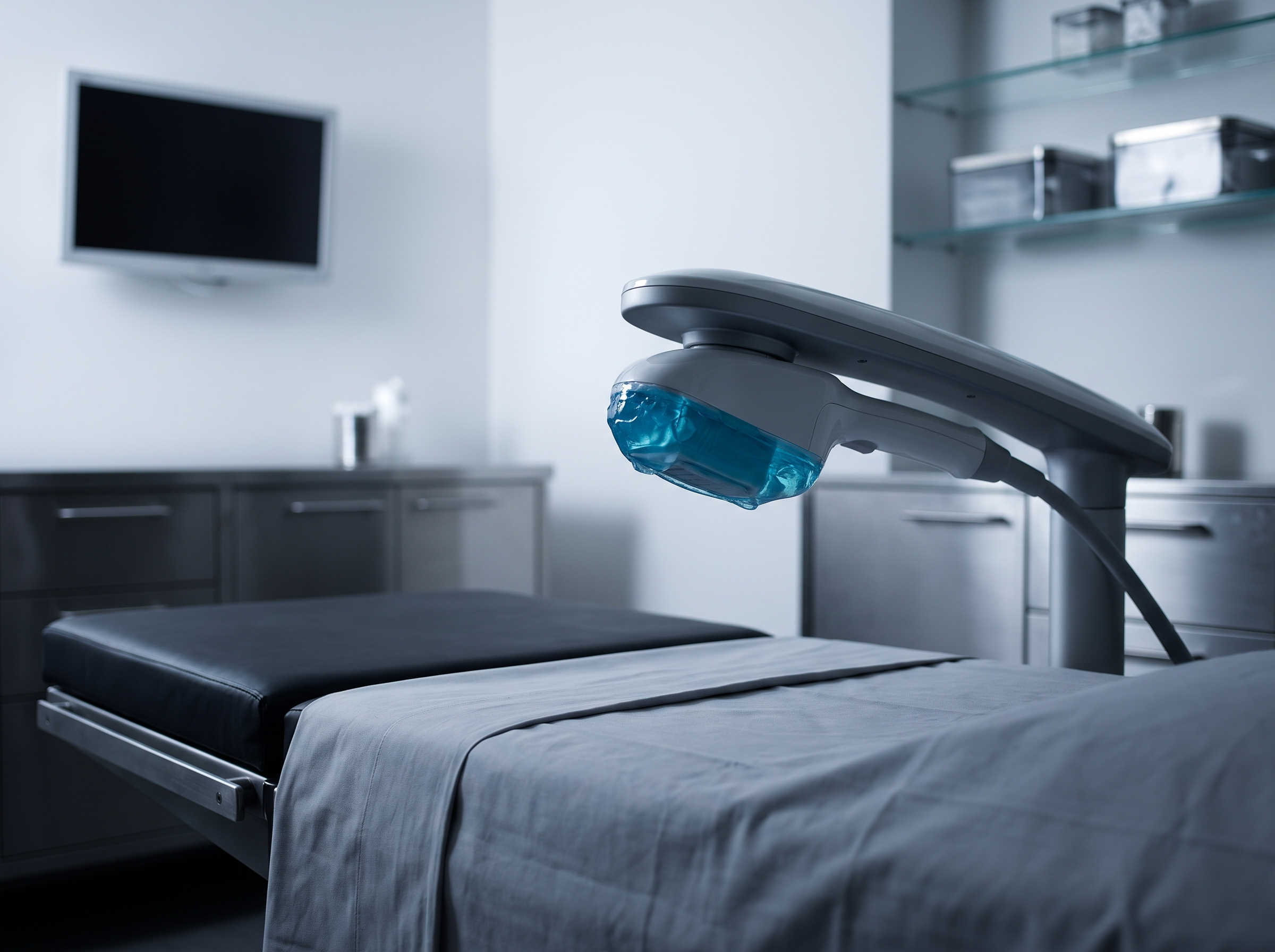
Device confusion is a real clinical problem here. "Shockwave therapy" in marketing materials often conflates true focused Li-ESWT with radial pressure wave (RPW) devices, which use compressed air to generate acoustic pulses and operate at substantially lower energy densities. These are not equivalent modalities. Most positive RCT data come from focused or linear shockwave devices; whether RPW devices produce comparable neovascularization is unresolved. [9] Men evaluating a clinic should ask specifically which device is used and what energy density is applied per session—questions that many providers are not prepared to answer clearly.
For men who want to understand how shockwave compares to simply optimizing their PDE5 inhibitor regimen, our detailed breakdown of shockwave therapy vs. Viagra for ED walks through the head-to-head data.
The PRP Evidence: Thinner and More Contested
PRP for ED has a shorter and more contentious clinical record. Early small trials and case series reported IIEF improvements in the 3–5 point range, leading to widespread adoption under the marketing term "P-Shot" before rigorous sham-controlled data existed. Systematic reviews now paint a more sobering picture. A 2023 review in Sexual Medicine Reviews identified consistent preclinical evidence supporting PRP's regenerative mechanisms in cavernosal and nerve tissue, including upregulation of neuronal nitric oxide synthase and increased VEGF expression in animal models—but noted that translational RCT evidence in humans remained sparse and methodologically inconsistent. [12]
Crucially, a well-conducted double-blind RCT published in 2023 found no statistically significant difference between intracavernosal PRP and saline placebo on IIEF-EF scores at three-month follow-up. [8] That's a meaningful negative result: it was sham-controlled, double-blinded, and adequately powered for its primary endpoint, which sets it apart from many earlier positive trials that lacked proper placebo arms. A network meta-analysis comparing multiple regenerative modalities found that PRP's IIEF improvements, when pooled across available trials, did not consistently exceed sham, and confidence intervals were wide. [2]
The International Society for Sexual Medicine (ISSM) has flagged the same concern: the field lacks standardized PRP preparation protocols (platelet concentration, activation method, injection volume, and frequency all vary substantially across studies), making it difficult to attribute outcomes to the therapy itself versus procedural variation. [16] Unlike Li-ESWT, where device parameters can at least be partially standardized, PRP composition differs between centrifugation systems, between labs, and even between patients' own blood samples drawn on different days. That biological variability is a fundamental methodological problem that RCTs haven't yet solved.
Men exploring whether PRP might complement a failed PDE5 inhibitor trial should first consult our overview of options when Viagra fails, which covers the second-line landscape including BiMix/TriMix injections and vacuum devices.
Head-to-Head: Where the Comparison Actually Lands
No large-scale RCT has directly randomized men between PRP and Li-ESWT in a head-to-head design with adequate power and sham controls for both arms. Most comparative data come from network meta-analyses, which carry their own assumptions and can't substitute for direct trial evidence. [2][11] With that caveat stated plainly, the preponderance of current evidence favors Li-ESWT over PRP on several dimensions:
Consistency of effect: Multiple independent meta-analyses of Li-ESWT sham-controlled trials show statistically significant IIEF-EF improvements, despite heterogeneity in protocols. [1][7] PRP's positive trials are outnumbered by methodologically stronger negative ones. [8]
Hemodynamic validation: Li-ESWT has produced measurable improvements in peak systolic velocity on penile Doppler ultrasound—approximately 4.1 cm/s versus sham—suggesting an objective vascular effect independent of patient-reported outcomes. [3] PRP lacks comparable objective hemodynamic validation in human trials.
Durability: Both modalities have limited long-term follow-up data, but Li-ESWT trials have reported sustained IIEF improvements at 6–12 months in some cohorts. [9] PRP durability data beyond three months is thin.
Combination approaches: Some trials have explored combining Li-ESWT with PRP, with the hypothesis that shockwave-induced tissue permeabilization might enhance PRP growth factor uptake. [13] Preliminary results are intriguing but based on small samples without sham controls. This combination is not guideline-endorsed and should be considered investigational at an even higher level of uncertainty than either monotherapy.
For men who are also managing their ED pharmacologically, the choice between daily tadalafil 5 mg and on-demand dosing remains a practically important decision that regenerative therapies don't replace.
Regulatory Status, Cost, and the Informed-Consent Problem
Neither Li-ESWT nor PRP is FDA-approved for erectile dysfunction. The FDA has approved Eroxon (alprostadil topical) as an OTC topical ED treatment, and oral PDE5 inhibitors including generic tadalafil and generic sildenafil are listed in the FDA Orange Book as approved therapies—but regenerative ED treatments sit entirely outside the regulatory approval pathway. [14] Clinics offering these services are not operating illegally, but they are offering off-label procedures with limited evidence bases at substantial patient cost, which creates a genuine informed-consent burden that many providers do not adequately discharge.
Pricing is not standardized. Li-ESWT courses typically run $1,500–$3,000 for a 6–12 session protocol; PRP injections range from $800–$1,500 per session, with multi-session packages marketed at $2,500–$4,000 or more. Neither is covered by insurance. For context, a year of daily generic tadalafil 5 mg via telehealth platforms runs approximately $200–$400 depending on the provider—a fraction of the cost, with a substantially stronger evidence base per AUA clinical practice guidelines. [14][15]
The Sexual Medicine Society of North America (SMSNA) has also published position statements cautioning against direct-to-consumer marketing of regenerative ED therapies that outpaces the available evidence. [19] Men considering these treatments should ask providers directly: what sham-controlled RCT data supports the specific protocol you're using, what is your device's energy density, and what are the realistic response rates in patients with my severity of ED?
If you're looking for online providers who offer evidence-based ED treatment with transparent prescribing practices, the ED treatment provider hub lists vetted telehealth options. Strut Health and PeterMD both offer PDE5 inhibitor prescribing with licensed physician oversight. For men who prefer a lower-barrier starting point, Hims and Roman provide generic sildenafil and tadalafil via asynchronous telehealth consults.
Who Might Reasonably Consider These Therapies
The AUA and ISSM's investigational classification doesn't mean these therapies are useless—it means the evidence isn't yet sufficient to recommend them as standard care outside a research context. [14][16] There are plausible candidate populations where the risk-benefit calculus shifts somewhat.
PDE5 inhibitor non-responders with mild-to-moderate vasculogenic ED represent the group most studied and most likely to show incremental benefit from Li-ESWT in the available trials. [3][4] Men with IIEF-EF baseline scores in the 11–25 range appear to respond better than men at either extreme. Severe ED with extensive fibrosis or long-standing uncontrolled diabetes is associated with attenuated regenerative response in both animal models and human cohorts. [9]
Post-prostatectomy ED is a biologically distinct situation where cavernous nerve injury is the primary driver. PRP has shown the most mechanistic promise in nerve injury models, and some clinical series have explored it in this context—but robust sham-controlled RCT evidence in post-prostatectomy men is still lacking. [12] Li-ESWT in this population has been studied in small trials with mixed results. Neither therapy should replace the established penile rehabilitation protocols (vacuum device use plus timed PDE5 inhibitor dosing) that urologists recommend post-surgery.
Men who have exhausted standard options and are not candidates for or are unwilling to consider penile prosthesis may reasonably weigh the modest potential benefits of Li-ESWT against the cost and uncertainty—provided they are given accurate information about expected effect sizes and the absence of FDA approval.
Men considering telehealth-first approaches for ED management can also review options through MangoRx, Maximus, or DudeMeds, all of which prescribe PDE5 inhibitors with physician oversight at competitive pricing.

What to Actually Do With This Information
The practical hierarchy for vasculogenic ED in 2026 remains what AUA guidelines support: start with a PDE5 inhibitor (generic tadalafil or generic sildenafil are cost-effective first choices), titrate appropriately, and evaluate response over 4–6 weeks. If PDE5 inhibitors produce inadequate response or are contraindicated, second-line options—vacuum erection devices, intraurethral alprostadil, or intracavernosal BiMix/TriMix—have stronger evidence bases than either regenerative modality. [14][15]
If you've worked through that hierarchy and are still considering Li-ESWT or PRP, the evidence-based position is: Li-ESWT is the more defensible choice of the two, with a larger RCT dataset and objective hemodynamic evidence, but you should expect modest, variable results and no guarantee of durability. PRP is not yet ready for routine clinical use based on current sham-controlled evidence. Combination approaches are speculative. Neither replaces standard pharmacotherapy for the majority of men.
The most important thing a man can do before spending $2,000–$4,000 on a regenerative protocol is have a frank conversation with a urologist who has no financial stake in selling the procedure. The sexual health treatment hub at Alpha Health Finder provides a starting point for understanding the full treatment landscape, from FDA-approved first-line options through emerging regenerative approaches. BraveRX and Sesame Care both offer pathways to licensed urologists or sexual medicine physicians for those wanting specialist-level guidance without a long wait for an in-person referral.
Frequently Asked Questions
Is shockwave therapy or PRP better for erectile dysfunction?
Current evidence favors low-intensity shockwave therapy (Li-ESWT) over PRP for erectile dysfunction. Multiple sham-controlled meta-analyses show statistically significant IIEF-EF improvements with Li-ESWT, including a pooled mean difference of 4.23 points over sham in one seven-trial meta-analysis. [1] PRP's evidence base is smaller and less consistent—a well-designed double-blind RCT published in 2023 found no significant difference between intracavernosal PRP and saline placebo on IIEF-EF at three months. [8] Neither therapy is FDA-approved for ED, and both are classified as investigational or experimental by the AUA. [14]
How many shockwave sessions does it typically take to see results?
Most Li-ESWT protocols studied in RCTs involve 6–12 sessions delivered over 6–9 weeks, with IIEF assessments typically performed at one to three months post-treatment. [1][7] Some trials report improvements appearing after as few as six sessions; others show continued improvement at 12 weeks. There is no standardized protocol endorsed by AUA or ISSM, and energy density, pulse count, and session frequency vary considerably across devices and clinics. [9] Men should be skeptical of any provider claiming a guaranteed number of sessions or a specific response rate, as individual outcomes depend heavily on baseline severity and ED etiology.
Can shockwave or PRP therapy replace Cialis or Viagra?
Neither Li-ESWT nor PRP is currently supported as a replacement for PDE5 inhibitors like Cialis (tadalafil) or Viagra (sildenafil) in AUA clinical practice guidelines. [14][15] Some trials have evaluated these therapies in men who were already PDE5 inhibitor non-responders, with the hope that regenerative treatment might restore responsiveness to oral medications—and a subset of men in trial cohorts did report improved responses to PDE5 inhibitors after Li-ESWT. [3] However, effect sizes are modest, durability data beyond 12 months is limited, and the therapies carry substantial out-of-pocket cost without insurance coverage. The evidence-based first-line approach remains optimizing PDE5 inhibitor therapy before pursuing unproven regenerative options. For context on choosing between tadalafil dosing strategies, see our comparison of daily vs. on-demand tadalafil.
What are the risks and side effects of PRP injections for ED?
Intracavernosal PRP injections are generally reported as well-tolerated in clinical trials, with the most common adverse events being mild and transient: pain at the injection site, bruising, and temporary swelling. [12][13] Serious adverse events (infection, priapism, fibrosis) have been rare in reported series, but the absence of long-term safety registries means that infrequent complications may be underreported. [12] A theoretical concern—that growth factor delivery could promote aberrant fibrotic remodeling under certain conditions—has not been ruled out in human studies and remains an open mechanistic question. Because PRP is an autologous product derived from the patient's own blood, immunologic reactions are unlikely, but preparation-related contamination is possible if sterile technique is not rigorously maintained.
Is there a difference between "shockwave" devices used in ED clinics?
Yes, and it's clinically meaningful. True focused or linear Li-ESWT generates acoustic shock waves at energy densities of 0.05–0.20 mJ/mm² capable of inducing the neovascularization observed in positive RCTs. [3][9] Radial pressure wave (RPW) devices—commonly marketed under the same "shockwave" label—use compressed air and operate at lower, less penetrating energy densities. Most positive RCT evidence comes from focused or linear devices, and RPW devices have not been validated in equivalently rigorous sham-controlled trials. [9] Before committing to a treatment course, men should ask the clinic to specify the device manufacturer, model, energy density per session, and whether the protocol matches one used in peer-reviewed trial data.
How does the cost of regenerative ED therapy compare to standard treatments?
Li-ESWT courses typically run $1,500–$3,000 for a full protocol; PRP packages range from $2,500–$4,000 or more. Neither is covered by insurance. By comparison, a year of daily generic tadalafil 5 mg through telehealth providers typically costs $200–$400, and it has a substantially stronger evidence base per AUA guidelines. [14][15] For men considering the cost-benefit calculation, the IIEF improvements documented for Li-ESWT (2–4 points on average over sham) are modest relative to the 5–10 point improvements typically seen with appropriately dosed PDE5 inhibitors in responsive men. Regenerative therapies are best considered after standard pharmacological options have been genuinely optimized, not as a premium-priced shortcut around them.
Sources
[1] Journals of Sage Publications — Campbell et al. Li-ESWT meta-analysis
[2] PubMed — Network meta-analysis of regenerative ED therapies (2022)
[3] Nature Reviews Urology — Li-ESWT mechanisms and clinical evidence
[4] PMC — Regenerative ED therapy review (2024)
[7] ScienceDirect — Clavijo et al. Li-ESWT meta-analysis
[8] PMC — Double-blind RCT of PRP vs. placebo for ED (2023)
[9] PMC — Li-ESWT mechanisms and protocols review
[11] PubMed — Comparative efficacy meta-analysis regenerative ED
[12] Oxford Academic — PRP for ED: Sexual Medicine Reviews
[13] PMC — PRP for ED: clinical evidence review
[14] AUA — ED Clinical Practice Guidelines (PDF)
[15] AUA — ED Guidelines website final
[16] ISSM — Regenerative therapies for ED research summary
[19] AUA Journals — SMSNA position on regenerative ED marketing
Alpha Health Finder Editorial Team
Editorial Team
The Alpha Health Finder editorial team researches and writes evidence-based men's health content. Articles are grounded in cited primary sources and reviewed against a fixed editorial standard before publication. We are a research and directory team — not your prescribing clinicians.
Tools and references for this topic
Free calculators and reference charts built from the same sources as this article.
- CalculatorED Medication Timing: Viagra vs Cialis vs Levitra vs Stendra
- CalculatorED Cost Per Dose — What a Pharmacy Pays for Each Tablet
- ChartED Medication Comparison Chart: Viagra, Cialis, Levitra, Stendra
- BrandCialis: Three Indications, Two Regimens, and a Second Brand
- CalculatorED Dose Equivalence — There Is No PDE5 Conversion Table
Looking for an online provider?
Find a qualified online provider — compare options vetted and reviewed by Alpha Health Finder.