Compounded Tirzepatide vs. Zepbound: What's Actually Different in 2026
Zepbound and compounded tirzepatide contain the same active molecule, but that's roughly where the equivalence ends. The practical differences — in quality assurance, dosing reliability, safety documentation, and cost — are substantial enough to matter clinically.
Starting from
$260/mo
Free consultation

4.0 AHF · 3.9 Trustpilot
Oral semaglutide ODT delivery (Slim) plus brand-name injection pathway — needle-free option that’s rare in GLP-1 telehealth, with regulatory uncertainty post-shortage-end.
Get Started FreeWhat the Evidence Says About Tirzepatide's Efficacy
The clinical case for tirzepatide as a weight-loss tool is unusually strong. In SURMOUNT-1, published in the New England Journal of Medicine, participants on the 15 mg dose lost a mean of 20.9% of body weight at 72 weeks versus 3.1% on placebo [8]. A three-year extension of that trial, also published in NEJM, found that among participants with prediabetes, only 1.3% of the tirzepatide group progressed to type 2 diabetes versus 13.3% in the placebo group [3]. These numbers apply to Zepbound — the FDA-approved, standardized formulation — not to any compounded version.
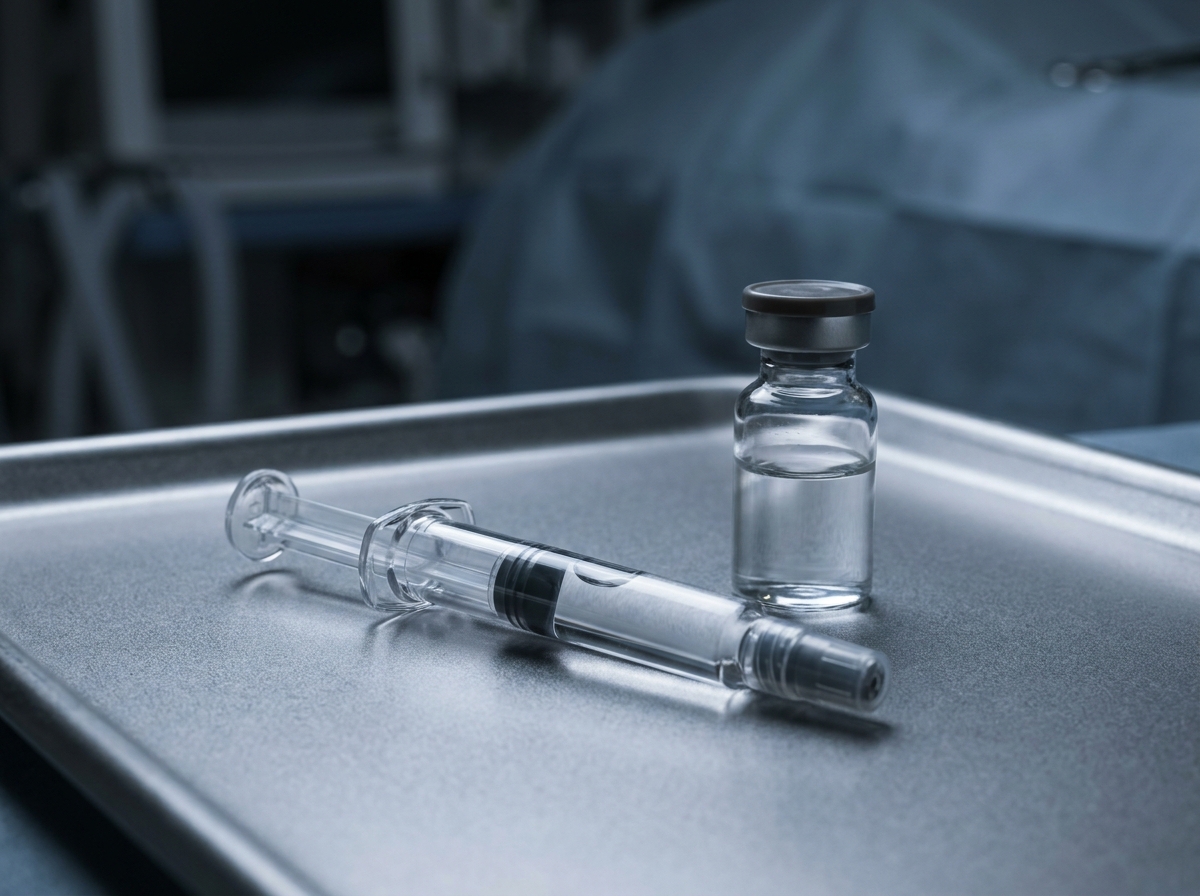
That distinction matters because compounded tirzepatide is typically dispensed in multi-dose vials requiring patients to self-draw doses with a syringe. Zepbound uses prefilled, calibrated pens (and single-dose vials) where concentration is validated at the manufacturing level [6]. A mismeasured draw doesn't just reduce efficacy — it can mean a patient inadvertently takes two or three times the intended dose, which is exactly the pattern behind a significant share of the adverse event reports the FDA has accumulated.
For context on how tirzepatide compares to semaglutide-based options, see our breakdown of tirzepatide vs. semaglutide for cardiovascular health in 2026.
The Regulatory and Safety Gap
Zepbound carries a boxed warning for thyroid C-cell tumors — the same warning on Mounjaro — based on rodent carcinogenicity data, and is formally contraindicated in patients with a personal or family history of medullary thyroid carcinoma or MEN 2 [6]. Compounded tirzepatide carries the identical biological risk (same molecule), but because it has no FDA-approved label, there is no standardized mechanism to ensure patients receive that warning or that prescribers document contraindication screening.
The FDA has issued explicit public advisories flagging compounded GLP-1 and tirzepatide products, noting fraudulent labeling cases where products claimed to originate from pharmacies that didn't compound them at all [1]. The agency had received nearly 1,000 adverse event reports tied to compounded semaglutide by mid-2026, with compounded tirzepatide reports accumulating on a similar trajectory [1]. These aren't abstract regulatory concerns — they include hospitalizations from dosing errors.
Legitimate 503A and 503B compounding pharmacies operate under USP standards and are state-board inspected, which is meaningfully different from gray-market vials. But even the best compounding pharmacy does not submit its tirzepatide formulation for FDA premarket review of safety, efficacy, or manufacturing consistency. That gap is real. For a parallel look at how this plays out with semaglutide, our piece on compounded semaglutide vs. brand-name Wegovy covers the same regulatory terrain.
Cost, Access, and the Practical Calculus
Zepbound's list price runs roughly $550–$650/month for the pen devices, though Lilly's direct-vial program has brought cash-pay costs closer to $350–$400/month for patients who qualify. Compounded tirzepatide from telehealth platforms typically runs $200–$350/month depending on dose and pharmacy — a real gap, but a narrowing one.
If your insurance covers Zepbound (GLP-1 coverage has expanded meaningfully in 2026, including through several large employer plans), the branded version becomes the obvious choice: standardized dosing, full label warnings, manufacturer pharmacovigilance, and a direct line to Lilly's patient-support programs. If you're paying cash and cost is the deciding factor, compounded tirzepatide from a verified 503B pharmacy — prescribed by a physician who does a proper intake — is a defensible option, not an inherently reckless one. The risk isn't the molecule; it's the supply chain and dose accuracy.
Providers who offer structured GLP-1 programs with physician oversight and pharmacy vetting are worth prioritizing over platforms that simply mail vials with minimal clinical engagement. Shed is one telehealth provider offering supervised weight-loss programs with tirzepatide access. You can also compare GLP-1 weight-loss providers across the major platforms before committing. For a broader look at your treatment options, visit our weight management treatment hub.
Related reading
Frequently asked questions
Is compounded tirzepatide the same as Zepbound?
Compounded tirzepatide contains the same active ingredient as Zepbound (tirzepatide), but it is not FDA-approved and has not undergone agency review for safety, efficacy, or manufacturing quality. The molecule is chemically identical in a properly compounded product, but the dosing precision, excipient composition, and quality controls are not equivalent to the standardized Zepbound pen or vial. Patients using compounded versions assume risk the branded formulation has engineered out through manufacturing validation.
Why would someone choose compounded tirzepatide over Zepbound?
Cost is the primary driver — compounded tirzepatide typically runs $150–$250 less per month than Zepbound at cash-pay rates, which is a real difference over 12+ months of therapy. Some patients also turn to compounded versions when Zepbound is on allocation or when their insurance explicitly excludes branded GLP-1s for obesity. The tradeoff is reduced assurance about dose accuracy and no FDA-validated
How does Lilly's direct-vial program work and who qualifies for the lower $350–$400/month price?
Lilly's direct-vial program offers Zepbound at a cash-pay price closer to $350–$400 per month for patients who qualify, compared to the standard list price of $550–$650 per month for the pen devices. The program provides single-dose vials rather than the prefilled pen format, though the concentration is still validated at the manufacturing level. Eligibility details are not fully outlined in the article, but the program represents a meaningful narrowing of the cost gap between brand-name Zepbound and compounded tirzepatide, which typically runs $200–$350 per month through telehealth platforms.
Alpha Health Finder Editorial Team
Editorial Team
The Alpha Health Finder editorial team researches and writes evidence-based men's health content. Articles are grounded in cited primary sources and reviewed against a fixed editorial standard before publication. We are a research and directory team — not your prescribing clinicians.
Tools and references for this topic
Free calculators and reference charts built from the same sources as this article.
- CalculatorGLP-1 Cost Comparison — What Ozempic, Wegovy & Zepbound Cost
- CalculatorTirzepatide Units Converter — mg to Units on a U-100 Syringe
- ChartGLP-1 Titration Chart — All 7 Labelled Schedules (Printable)
- ChartGLP-1 Side Effect Timeline — What the FDA Labels Actually State
- ComparisonSemaglutide vs Tirzepatide — The Head-to-Head Trial, and Both Labels
Looking for an online provider?
Find a qualified online provider — compare options vetted and reviewed by Alpha Health Finder.