Does Tongkat Ali Actually Boost Testosterone and Libido?
Tongkat ali (Eurycoma longifolia) produces measurable increases in testosterone and libido in men who start with low or suppressed levels — the evidence for that is solid enough to take seriously. In healthy young men with normal testosterone, the effect is smaller, less consistent, and probably not clinically meaningful.
Starting from
$99/mo
Free consultation

4.1 AHF · 3.9 Trustpilot
NASDAQ-listed multi-modality TRT including FDA-approved oral Kyzatrex — broader medication catalog than typical mass-market telehealth, smaller track record.
Get Started FreeWhat the Clinical Evidence Actually Shows
The strongest signal comes from older men with low baseline testosterone. A meta-analysis published in Andrologia [1] pooled data from five RCTs and found a standardized mean difference of 1.35 favoring tongkat ali over control for total testosterone — a real, statistically significant effect. In one frequently cited open-label cohort of men with late-onset hypogonadism, 200 mg/day of a standardized water-soluble extract normalized testosterone in over 90% of participants after one month, and AMS (Aging Male Symptoms) scores improved in parallel [5]. A separate 12-week double-blind trial using the Physta® extract at 300 mg/day reported a 14% increase in libido scores and a 44% improvement in sperm motility [5].
The picture in healthy eugonadal men is more complicated. Short trials in men aged 18–30 have shown modest, statistically significant between-group differences in testosterone, but effects often attenuate or disappear after a few weeks or upon stopping the supplement [1]. That pattern is consistent with what tongkat ali appears to actually do: restore endogenous production toward normal rather than push testosterone above physiological ceilings the way exogenous androgens do.
For men wondering whether borderline labs reflect true hypogonadism or normal aging, the post low testosterone vs. normal aging covers the diagnostic distinction in detail.
How It Works — and Why Stress Matters
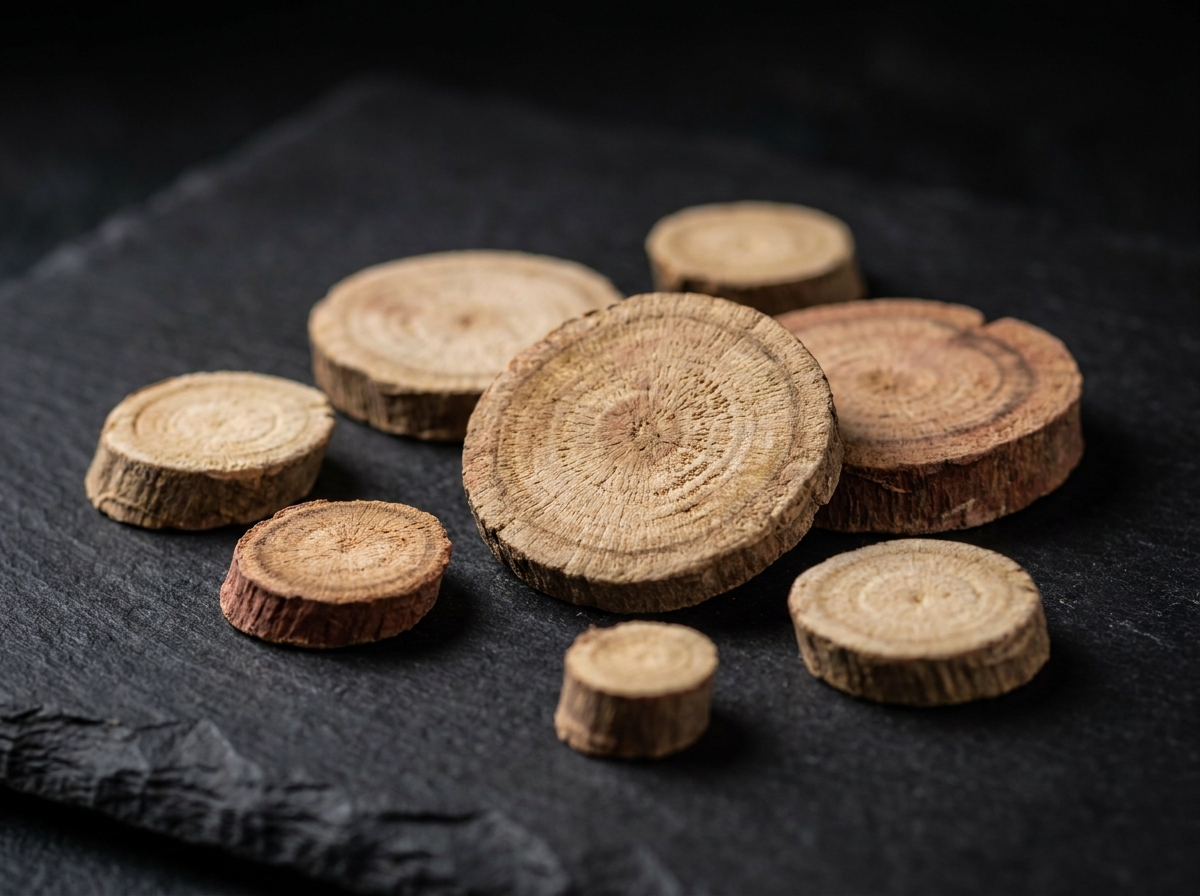
Tongkat ali's primary mechanism appears to operate at the Leydig cell level, where quassinoid compounds — particularly eurycomanone — upregulate steroidogenic enzymes including CYP17A1 and StAR protein, increasing testosterone biosynthesis from cholesterol [7]. Secondary effects include modest reductions in aromatase activity (less testosterone converting to estradiol) and possible displacement of testosterone from SHBG, raising free-fraction levels without proportional changes in total testosterone [7].
The adaptogenic angle deserves equal weight. A placebo-controlled trial in 63 moderately stressed men and women found that four weeks of tongkat ali supplementation cut salivary cortisol by 16% and raised salivary testosterone by 37% [8]. Chronic cortisol elevation suppresses GnRH pulsatility — the same mechanism that makes overtraining and sleep deprivation tank testosterone. If a man's low-normal testosterone is driven by chronic stress rather than primary testicular failure, addressing cortisol may matter as much as any direct androgenic effect. The relationship between sleep and hormonal recovery is explored in does TRT improve sleep or make it worse, which is relevant background here.
Where Tongkat Ali Fits — and Where It Doesn't
Tongkat ali is not a substitute for TRT in men with confirmed primary or secondary hypogonadism. The Endocrine Society Clinical Practice Guidelines on male hypogonadism are clear that men with unequivocal, persistently low testosterone plus clinical symptoms require pharmacologic testosterone replacement — whether that's weekly injections of Depo-Testosterone, a daily topical like AndroGel, or a newer subcutaneous option like Xyosted. The Testosterone Trials (TTrials), the NIH-funded seven-arm study summarized in Bhasin et al. 2018 in NEJM, established the evidence base for TRT's benefits on sexual function, bone density, and anemia in older men — effects that tongkat ali, operating through endogenous pathways, cannot replicate in men with genuine primary hypogonadism.
Where tongkat ali does fit: men with functional or stress-related androgen suppression, men with borderline testosterone who don't meet TRT criteria, or men who want to delay or avoid prescription hormones while making lifestyle changes. Dosing in trials ranges from 200–300 mg/day of a standardized hot-water extract with specified eurycomanone content. Physta® and LJ100® are the proprietary preparations with the most clinical data behind them. If you're at the point of evaluating prescription options, compare telehealth TRT providers before committing to any protocol, or speak with a clinician through Peter MD who can order the right labs and interpret them in context. For a broader framework on managing hormones through lifestyle and treatment, see the hormone optimization treatment guide.
Frequently asked questions
Does tongkat ali actually raise testosterone levels?
Yes, in men with low or low-normal baseline testosterone, standardized tongkat ali extracts reliably raise total testosterone — the 2022 meta-analysis [1] found a pooled SMD of 1.35 across five RCTs. The effect is weaker and less consistent in healthy young men with already-normal levels. Expect 4–8 weeks of daily use before meaningful changes appear in labs or symptoms.
How does tongkat ali compare to TRT for low libido?
Tongkat ali works by stimulating endogenous testosterone production and reducing cortisol; TRT delivers exogenous testosterone directly. Per the Endocrine Society Clinical Practice Guidelines, men with confirmed hypogonadism need TRT — formulations like AndroGel, Xyosted, or injectable Depo-Testosterone produce larger, more predictable hormonal changes than any herbal supplement. Tongkat ali is a reasonable first step for borderline cases or stress-related libido decline, not a replacement for pharmacologic therapy when the diagnosis is clear.
What dose and extract type actually works?
Clinical trials showing meaningful results consistently use standardized hot-water root extracts — Physta® or LJ100® — at 200–300 mg per day [5][1]. Crude root powder at equivalent gram
Alpha Health Finder Editorial Team
Editorial Team
The Alpha Health Finder editorial team researches and writes evidence-based men's health content. Articles are grounded in cited primary sources and reviewed against a fixed editorial standard before publication. We are a research and directory team — not your prescribing clinicians.
Tools and references for this topic
Free calculators and reference charts built from the same sources as this article.
- CalculatorTRT Cost Calculator — Cost Per Month, With and Without Insurance
- ComparisonTRT vs hCG — Two Approved Drugs, One Shared Indication
- CostsTRT Cost Without Insurance: What the Drug Actually Costs
- CalculatorTestosterone Dose Calculator — Weekly mg to mL and Syringe Units
- CalculatorTestosterone Levels by Age — Reference Range Chart (Travison 2017)
Looking for an online provider?
Find a qualified online provider — compare options vetted and reviewed by Alpha Health Finder.