The Most Evidence-Backed Anti-Aging Strategies for Men in 2026
The honest answer about anti-aging for men is unglamorous: the interventions with the largest, most reproducible effects on lifespan aren't peptides or hormones — they're smoking cessation, structured exercise, blood pressure control, and consistent sleep. The experimental stuff earns adjunct status at best until you've built that foundation.
The Non-Negotiable Lifestyle Foundation
Quitting smoking is still the single biggest longevity lever available to any man. Cohort data show men who smoke at 35 and continue lose nearly 7–9 years of life expectancy compared with those who quit at the same age [20]. Cardiovascular risk starts declining within months of cessation — no supplement produces anything close to that effect size.
Physical activity compounds the benefit. Resistance training in particular matters beyond aesthetics: a prospective cohort of 8,762 men followed for nearly 19 years found that men in the lowest third of muscular strength had all-cause mortality rates 1.50 times higher than those in the middle third, an association that persisted after adjusting for cardiorespiratory fitness, BMI, and baseline disease [1]. That means lifting isn't optional for a longevity-focused protocol — it's structural.
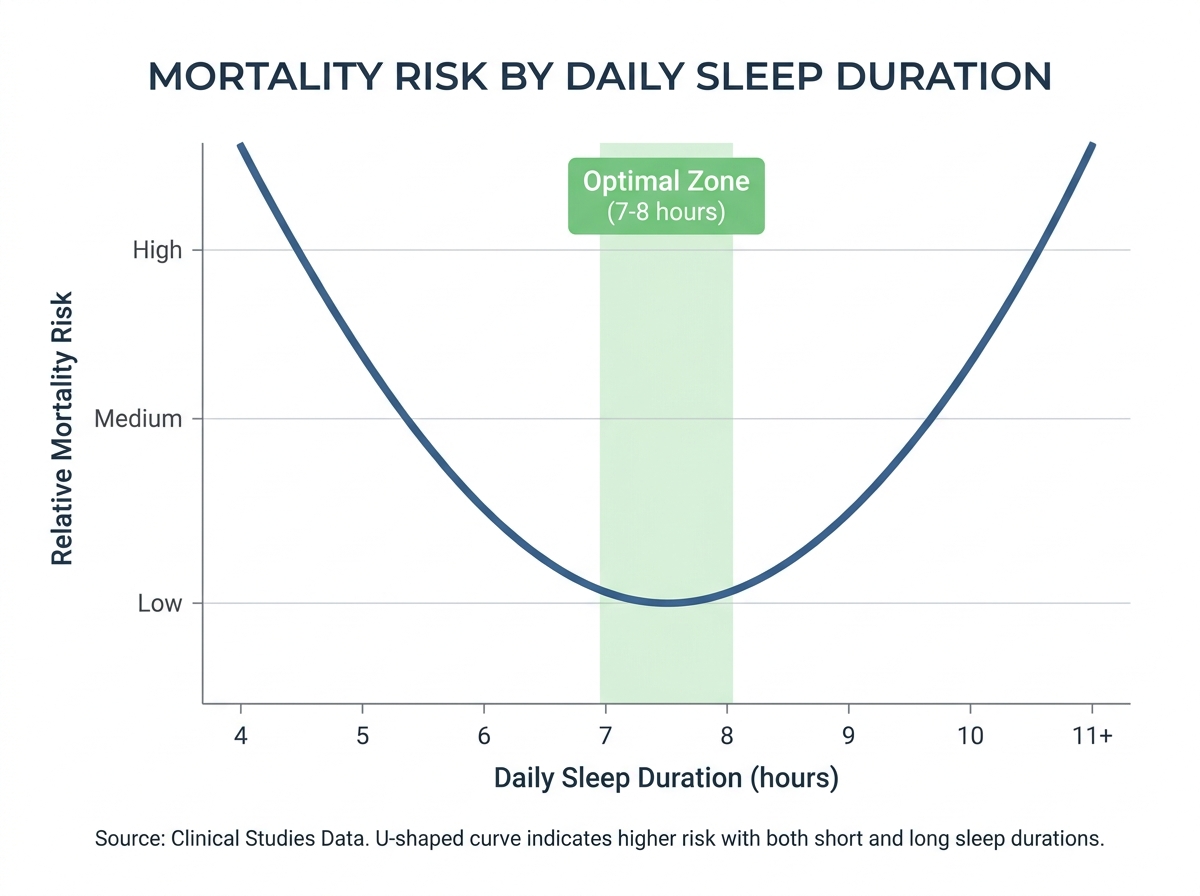
Sleep sits in the same tier. A meta-analysis of roughly 1.38 million participants found a U-shaped relationship between sleep duration and all-cause mortality: short sleepers (<7 hours) carried a relative risk of 1.12, while long sleepers (>9 hours) carried 1.30 — both compared with the 7–8 hour reference band [12]. Optimizing sleep often means addressing sleep apnea or circadian disruption before reaching for any supplement. For evidence on what poor sleep actually does to male physiology, see what sleep deprivation does to the male body.
Cardiometabolic Control: Where Pharmacology Earns Its Keep
Blood pressure and lipid management are where prescription medicine genuinely extends lives. The SPRINT trial randomized high-risk adults to a systolic target below 120 mm Hg versus below 140 mm Hg and was stopped early: intensive treatment reduced all-cause mortality with a hazard ratio of 0.73 (95% CI 0.60–0.90) over a median 3.26 years [16]. Generic antihypertensives run $4–20/month — cost is not a reasonable barrier.
Statins extend the logic to lipids and inflammation. In JUPITER, rosuvastatin 20 mg cut major cardiovascular events by 44% and all-cause mortality by 20% in men with normal LDL but elevated hsCRP [18]. That dual action on LDL and inflammatory signaling aligns statins with what geroscientists call "inflammaging" — chronic low-grade inflammation that accelerates tissue aging.
Caloric restriction adds a third layer. The CALERIE trial showed that even modest CR (~12% below habitual intake sustained over two years) slowed the pace of biological aging on the Klemera-Doubal algorithm — roughly 0.11 biological years per calendar year versus 0.71 in ad libitum controls [8]. A separate analysis found CR reduced circulating senescence biomarkers at both 12 and 24 months [6]. That's a proof-of-concept that human aging biology responds to energy restriction. For men, the practical version is weight normalization plus resistance training to protect lean mass — not aggressive restriction that accelerates sarcopenia.
Sauna use rounds out the evidence-supported adjuncts. Finnish cohort data show men using saunas 4–7 times weekly had cardiovascular mortality hazard ratios of 0.23 compared with once-weekly users after full adjustment [3]. The mechanisms — improved endothelial function, blood pressure reduction, autonomic rebalancing — are plausible, though residual confounding can't be ruled out.
If you want to explore hormone optimization and metabolic health management under clinical supervision, DudeMeds offers structured TRT and wellness protocols worth evaluating alongside these foundational strategies.
Testosterone: Treat Deficiency, Don't Chase Youth
TRT belongs in an anti-aging protocol only when hypogonadism is real and documented. Guidelines recommend diagnosing androgen deficiency only when men have both consistent symptoms and unequivocally low fasting morning testosterone confirmed on repeat testing [15]. Universal supplementation in aging men without confirmed deficiency is not supported — and supraphysiologic androgen use actively shortens healthspan [2].
For men with confirmed low-T, hormone optimization through a qualified provider can restore muscle mass, energy, and libido to age-appropriate levels. Compare clinic options at /online-providers/hrt before committing to a protocol. For men wondering whether their supplement stack is actually moving the needle, see supplement benefits men didn't see coming in 2026 for a reality check. And if you're considering peptides like tesamorelin as part of a body-composition strategy, the evidence on maintaining results after stopping tesamorelin is worth reading before you start.
Frequently asked questions
What is the single most impactful anti-aging intervention for men?
Smoking cessation produces the largest documented gain in life expectancy of any modifiable behavior — up to 8.5 years in men who quit by age 35 compared with those who continue smoking. No supplement, hormone, or experimental drug currently matches that effect size in randomized or prospective evidence.
Does testosterone therapy extend lifespan in older men?
Testosterone therapy does not have demonstrated longevity benefits in eugonadal men and should not be used as a general anti-aging strategy. Guidelines recommend TRT only for men with both symptomatic deficiency and consistently low confirmed morning testosterone levels [15][2]. In men
What did the CALERIE trial find about caloric restriction and biological aging in humans?
The CALERIE trial demonstrated that modest caloric restriction of roughly 12% below habitual intake, sustained over two years, measurably slowed the pace of biological aging. Participants in the caloric restriction group aged approximately 0.11 biological years per calendar year, compared with 0.71 biological years in the ad libitum control group as measured by the Klemera-Doubal algorithm. A separate analysis from the same trial also found that caloric restriction reduced circulating senescence biomarkers at both 12 and 24 months.
Nutrition & Metabolic Health Specialist · 8+ years specializing in men's nutrition, Extensive training in clinical nutrition and metabolism
Taylor is a nutrition specialist focusing on men's metabolic health and weight management. With deep expertise in therapeutic nutrition for hormone disorders, Taylor researches and explains how nutrition impacts testosterone, metabolism, and overall male wellness.