
What Actually Stops Men From Getting Sick All the Time: No IV Drips Required
Recurrent colds, sinus infections, and chest bugs in otherwise healthy men almost always trace back to fixable behaviors — not a nutrient deficiency that only an IV drip can solve. The clinical literature is blunt: high-dose intravenous vitamin cocktails show no meaningful evidence of reducing illness frequency in healthy people, and they carry real risks when non-physiologic doses bypass normal intestinal regulation [1].
The IV Drip Industry Is Selling You a Placebo at $150–$300 a Session
"Myers' cocktail" infusions and their derivatives deliver hydration, a rapid correction of any unrecognized deficiency, and a strong placebo effect. That's the honest accounting. Systematic reviews find that oral supplementation at appropriate doses has been studied far more rigorously than IV administration — and even oral supplementation shows only modest, conditional benefits against common respiratory infections [1]. Bypassing the gut with supraphysiologic vitamin doses doesn't create a super-immune response; it creates metabolic disturbances and skips the regulatory mechanisms evolution built to prevent toxicity [1].
For men who want actual, evidence-graded options for immune support and overall optimization, hormone optimization through a credentialed telehealth provider is a more defensible starting point than a weekly drip appointment.
What the Evidence Actually Supports
Three interventions have real numbers behind them for reducing respiratory illness in men.
Vaccines first. A pooled analysis of 31 studies found seasonal influenza vaccines delivered roughly 59% efficacy against laboratory-confirmed influenza in adults 18–65 [7]. RSV vaccines are now recommended for adults 75+ and worth discussing for men 60–74 with chronic lung disease [11]. Pneumococcal vaccination cuts community-acquired pneumonia risk — important given that current smokers carry more than double the pneumonia odds of non-smokers (OR 2.2, 95% CI 1.7–2.8) [6]. These are covered preventive services. There's no rational argument for skipping them.
Sleep is infrastructure, not a lifestyle luxury. Experimental sleep restriction measurably reduces natural killer cell activity, impairs T-cell responses, and upregulates pro-inflammatory cytokine genes [5]. Men sleeping under six hours per night show lower antibody responses to hepatitis B and influenza vaccines — meaning you can be "fully vaccinated" on paper but biologically under-protected [5]. The data on common cold inoculation models are similarly stark: poor sleep efficiency predicts clinical illness independent of exposure [5]. If you're getting every bug that circulates, the first question isn't "what supplement should I add?" It's "how many hours are you actually sleeping?" Check the evidence on why 0.5 mg of melatonin outperforms 10 mg for men's sleep before reaching for a high-dose sleep aid.
Smoking cessation outperforms any supplement stack. Smokers face roughly 50% higher odds of severe COVID-19 outcomes [6] on top of that doubled pneumonia risk. Quitting progressively restores mucosal defense, mucociliary clearance, and macrophage function — changes that no IV drip can replicate.
For men who want structured support connecting sleep, lifestyle, and immune health to their broader hormonal picture, DudeMeds offers telehealth consults that go beyond a single-symptom visit.
Targeted Supplementation: What's Worth Taking, What Isn't
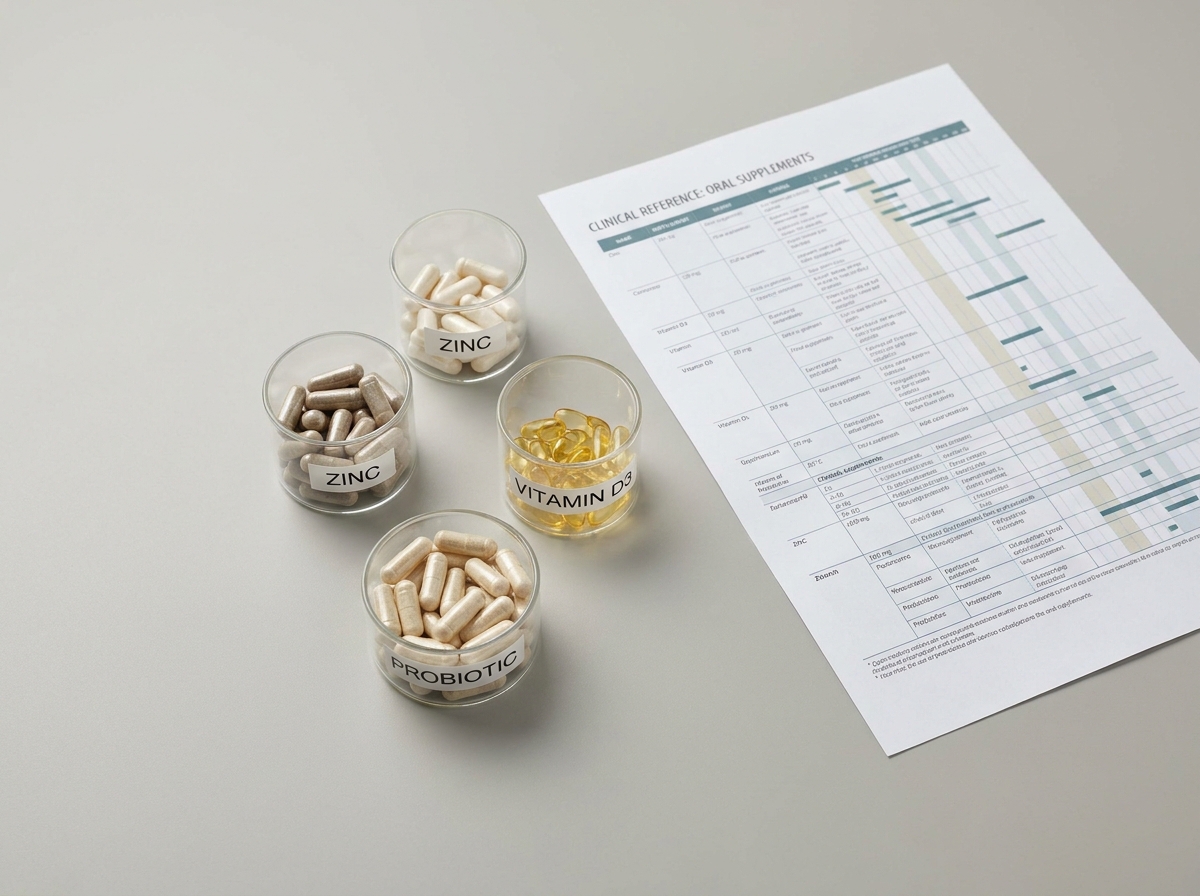
Oral vitamin D, zinc, and specific probiotic strains have the most defensible evidence for modest URTI reduction — not elimination, but a measurable reduction in frequency and duration [8]. A 2026 trial found a probiotic strain significantly reduced recurrent respiratory tract infections in healthy adults [2]. These are cheap, low-risk, and orally bioavailable. The research on what actually strengthens your immune system covers the dosing specifics worth knowing.
Vitamin C in mega-doses, whether oral or IV, does not prevent colds in the general population. It may trim duration slightly in people under extreme physical stress — a narrow exception that wellness marketing has stretched far beyond its evidence base [8]. The highest-return biohacks for men in 2026 list reflects this same hierarchy: foundational behaviors first, targeted supplements second, expensive procedures last.
Related reading
Frequently asked questions
Do IV vitamin drips actually prevent you from getting sick?
IV vitamin drips do not have credible clinical evidence supporting their use for infection prevention in otherwise healthy men. Systematic reviews conclude that high-dose intravenous vitamins are rarely necessary outside of documented deficiency or specific medical conditions, and that oral supplementation at standard doses is both safer and better studied [1]. The ~$150–$300 per session cost is not backed by randomized trial data showing fewer colds or respiratory infections.
How much does sleep actually affect how often men get sick?
Sleep is one of the strongest modifiable determinants of infection susceptibility. Studies show that men sleeping fewer than six hours per night have measurably lower vaccine antibody responses and higher rates of clinical illness after viral exposure [5]. Optimizing sleep to the 7–8 hour range improves both innate and adaptive immune responses — and it costs nothing.
Which vaccines should men prioritize to reduce respiratory illness?
Annual influenza vaccination (roughly 59% efficacy against lab-confirmed flu in adults 18–65) is the highest-yield single intervention [7]. Beyond that: COVID-19 updated formulations, pneumococcal vaccines for smokers and men over 65, and RSV vaccine for men 60+ with chronic conditions [6]. All are covered preventive services under standard insurance plans and take roughly two weeks to reach full protection.
Nutrition & Metabolic Health Specialist · 8+ years specializing in men's nutrition, Extensive training in clinical nutrition and metabolism
Taylor is a nutrition specialist focusing on men's metabolic health and weight management. With deep expertise in therapeutic nutrition for hormone disorders, Taylor researches and explains how nutrition impacts testosterone, metabolism, and overall male wellness.