Peptide Stack for a 42-Year-Old Male: What Is Actually Working in 2026
For a 42-year-old man dealing with creeping visceral fat, slower recovery, and flagging energy, the peptide market offers a dizzying menu — but the evidence narrows the useful options quickly. GLP-1 receptor agonists like semaglutide (Wegovy) and tirzepatide (Zepbound) are the only peptides in this space with large-scale randomized trial data behind them; everything else requires calibrated skepticism.
Starting from
$62.50
Free consultation

4.3 AHF · 4.8 Trustpilot
Solid telehealth TRT at the best price point with real-clinician care.
Get Started FreeThe GLP-1 Layer: Where the Evidence Is Unambiguous
Semaglutide and tirzepatide are not wellness supplements — they are FDA-approved drugs with phase III trial data from tens of thousands of patients. In the STEP-1 trial, published in NEJM, semaglutide 2.4 mg weekly produced a mean 14.9% body-weight reduction at 68 weeks in non-diabetic obese adults [4]. Tirzepatide outperformed that benchmark: SURMOUNT-1, also published in NEJM, showed approximately 20.9% weight loss at 72 weeks on the 15 mg dose [2]. For a man in his early 40s with metabolic syndrome or obesity, those are not marginal differences — they are clinically meaningful enough to alter cardiovascular risk trajectories, as the SELECT trial (semaglutide, NEJM 2023) confirmed with a 20% reduction in major adverse cardiac events [3].
Compounded generic semaglutide and tirzepatide from 503A/503B pharmacies run $200–$500/month versus $900–$1,400 for branded Wegovy or Zepbound without insurance [6]. The cost argument for compounded versions is real, though FDA has flagged quality-control concerns with some compounders — verify third-party assay data before committing. If you want to compare clinic options side by side, the peptide therapy provider directory lists vetted telehealth programs with current pricing.
Growth Hormone Secretagogues: Plausible Mechanism, Thin Clinical Evidence
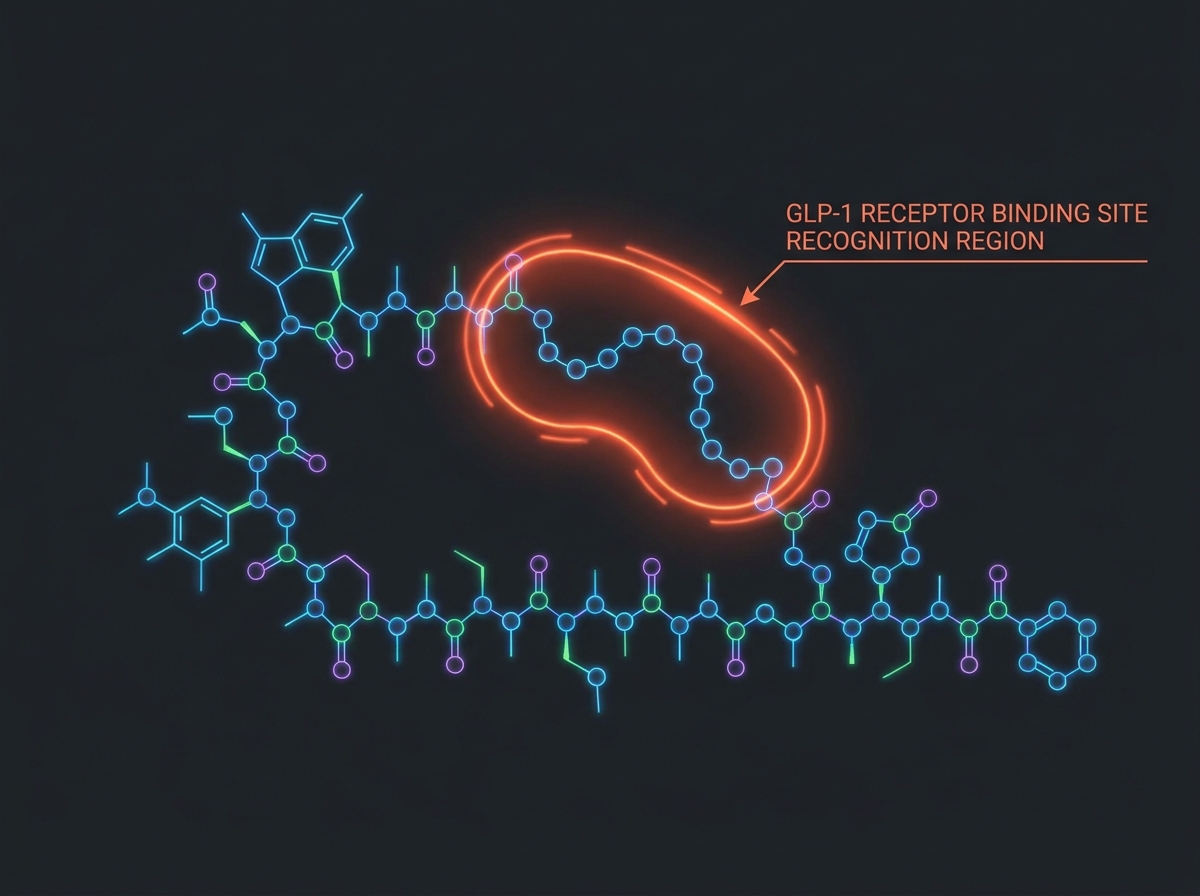
The CJC-1295 / ipamorelin stack is the most commonly prescribed GH secretagogue combination at men's health clinics in 2026. The mechanistic rationale is sound: CJC-1295 extends the half-life of growth hormone-releasing hormone (GHRH), while ipamorelin mimics ghrelin to pulse GH release without meaningfully spiking cortisol or prolactin. Men in their 40s do experience genuine GH decline, and short-term human studies show measurable IGF-1 increases with this combination [8].
What the stack lacks is outcome data. There are no published RCTs in healthy middle-aged men demonstrating improvements in lean mass, fat loss, or recovery time that would satisfy a journal like JAMA Internal Medicine or Lancet Diabetes & Endocrinology. The FDA has not approved CJC-1295 or ipamorelin for any indication, and both are compounded outside the standard drug approval pathway. For a deeper look at dosing protocols researchers are using, see our breakdown of ipamorelin dosing protocols for 2026. Cost runs $150–$350/month through telehealth programs, which is reasonable if you understand you're operating in a data-thin zone.
For clinically supervised access to both GLP-1 therapy and GH secretagogue protocols under one roof, NextGen Peptides is among the more structured providers in this space, with required labs and physician sign-off on protocols.
Repair Peptides: BPC-157 and TB-500
BPC-157 and TB-500 (thymosin β-4 fragment) are the default add-ons clinics push for joint pain and soft-tissue recovery. The animal data is genuinely interesting — accelerated tendon healing, reduced inflammation, some neuroprotective signals [1]. The human data is nearly nonexistent by RCT standards, and the FDA has explicitly raised concerns about compounding these agents given the absence of rigorous safety profiles [8].
That said, anecdotal reports from men running these peptides for shoulder or knee injuries are consistently positive enough that they can't be dismissed entirely. The honest framing: BPC-157 and TB-500 are reasonable low-risk adjuncts for injury recovery if sourced carefully and used short-term, not permanent fixtures in a stack. For more on how they compare mechanistically, the BPC-157 vs TB-500 head-to-head covers what the 2026 evidence actually shows. You can also explore the broader landscape of advanced therapies at /treatments/advanced-therapies.
Frequently asked questions
What peptide stack actually produces fat loss in a 42-year-old man?
Semaglutide (Wegovy) or tirzepatide (Zepbound) are the only peptides with large-scale trial evidence for meaningful fat loss — 14–21% body weight at 68–72 weeks depending on the agent and dose. GH secretagogues like CJC-1295/ipamorelin may modestly improve body composition over months, but no RCT has confirmed fat-loss magnitude comparable to GLP-1 agonists. If fat loss is the primary goal, start with the approved GLP-1 tier.
Is a CJC-1295 / ipamorelin stack safe for long-term use?
Short-term use (3–6 month cycles) appears well-tolerated in clinical observation, with the main reported side effects being injection-site reactions and transient water retention from IGF-1 elevation. Long-term safety data in healthy adults simply does not exist — there are no multi-year RCTs. Men with
Nutrition & Metabolic Health Specialist · 8+ years specializing in men's nutrition, Extensive training in clinical nutrition and metabolism
Taylor is a nutrition specialist focusing on men's metabolic health and weight management. With deep expertise in therapeutic nutrition for hormone disorders, Taylor researches and explains how nutrition impacts testosterone, metabolism, and overall male wellness.
Looking for an online provider?
Find a qualified online provider — compare options vetted and reviewed by Alpha Health Finder.